Outdoor Spaces That Actually Last
Concrete Patio Installation in Mount Juliet and surrounding areas for homeowners creating functional outdoor living areas that endure weather exposure and daily use
A professionally installed concrete patio eliminates the ongoing maintenance cycle of wooden decks that rot or composite materials that fade and warp under sun exposure. The patio becomes a stable surface for furniture placement, grilling areas, and foot traffic that won't shift like pavers or develop soft spots like poorly drained stone bases. Concrete Results designs patios in Mount Juliet, Hendersonville, Lebanon, and neighboring communities with proper slope for water runoff and reinforcement that prevents cracking as the slab experiences temperature changes through seasons.
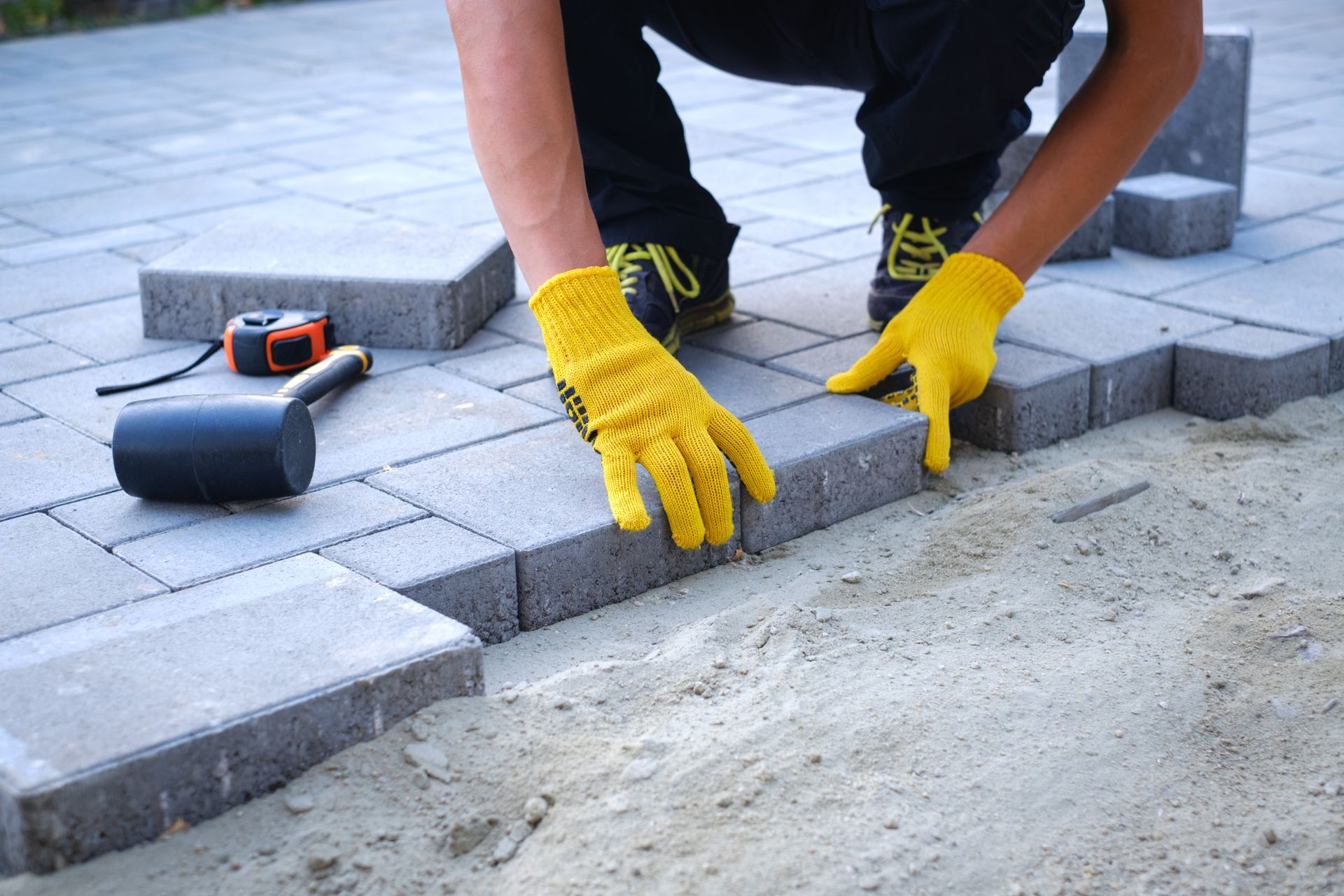
Installation begins with excavation to consistent depth, followed by base compaction and forming that defines the patio's final dimensions and shape. Concrete placement happens in a continuous pour to avoid cold joints where sections meet, and finishing options range from simple broom texture that provides slip resistance to stamped patterns that replicate stone or brick appearance. The thickness and reinforcement match the patio's intended use—standard residential patios differ from areas designed to support hot tubs or outdoor kitchens with concentrated weight loads.
Request a patio design consultation to discuss layout options and finish selections for your outdoor space.
What Changes After Installation Completes
Custom patio sizing allows the concrete to fit available space and connect naturally with existing landscaping, doorways, and property features. Finish choices affect both appearance and function—stamped concrete adds texture and color variation that complements home exteriors, while exposed aggregate creates durable surfaces with natural stone appearance. Broom finishes provide reliable traction in wet conditions without the decorative cost premium.
You'll notice a patio surface that drains consistently without puddles forming in low areas, and furniture legs sit stable without rocking on uneven ground. The concrete resists staining from spills and doesn't harbor insects the way wood structures do beneath deck boards. Weather exposure causes minimal maintenance demands—the surface doesn't require annual staining or sealing to prevent decay, though optional sealing helps resist minor staining and eases cleaning.
Decorative options such as color hardeners or acid staining add visual interest while maintaining concrete's structural benefits and low maintenance characteristics. The patio remains usable in all weather conditions without the splinter risks of wood or the weed growth common with paver joints. Standard installation doesn't include features like pergolas, fire pits, or built-in seating—those elements require separate planning and construction beyond the concrete slab itself.
Common Questions About This Service
Homeowners planning outdoor projects want to understand how concrete patios perform compared to alternative materials and what customization options exist.
What size and shape options work for residential patios?
Concrete forms to virtually any shape including curves, angles, and multi-level designs, with dimensions determined by available space, intended furniture layout, and how the patio connects to doorways or existing structures, giving you flexibility that modular pavers can't match without extensive cutting.
How does stamped concrete compare to standard finishes?
Stamped concrete replicates the appearance of stone, slate, or brick through pattern mats pressed into fresh concrete, creating textured surfaces with color variation, while standard broom finish costs less and provides reliable slip resistance with simpler maintenance requirements over time.
Why does proper drainage matter for patio installation?
Patios graded with slight slope direct water away from the house foundation and prevent pooling that creates slip hazards or ice patches during Mount Juliet winters, and poor drainage causes water to sit against foundation walls where it eventually creates basement moisture problems or structural issues.
When can the patio be used after concrete is poured?
Light foot traffic is generally safe after 24 to 48 hours depending on temperature and humidity during curing, but placing heavy furniture or concentrated loads should wait at least seven days to avoid surface impressions or stress cracks while concrete continues gaining strength.
What maintenance does a concrete patio require long-term?
Routine cleaning with water and mild detergent removes dirt and organic staining, while optional sealing every two to three years protects decorative finishes and makes the surface easier to clean, but the concrete itself remains structurally sound without ongoing treatment unlike wood that rots without constant maintenance.
Concrete Results works with homeowners to design patios that match how outdoor spaces will actually be used, from simple sitting areas to extensive entertainment spaces. Contact us at (615) 517-2300 to discuss layout possibilities and finish options that fit your property and budget.