
Driveways Built to Handle Daily Traffic
Concrete Driveway Installation in Mount Juliet and surrounding areas for properties needing durable surfaces that withstand vehicle weight and weather exposure
Concrete Results pours driveways in Mount Juliet, Lebanon, Nashville, and neighboring communities designed to handle the freeze-thaw cycles and summer heat that Middle Tennessee experiences throughout the year. You need a driveway surface that supports vehicle weight without cracking or settling, and professional installation ensures proper base preparation and reinforcement before the first load of concrete arrives. The difference between a driveway that lasts decades and one that develops problems within years comes down to site preparation and grading done before any concrete is placed.
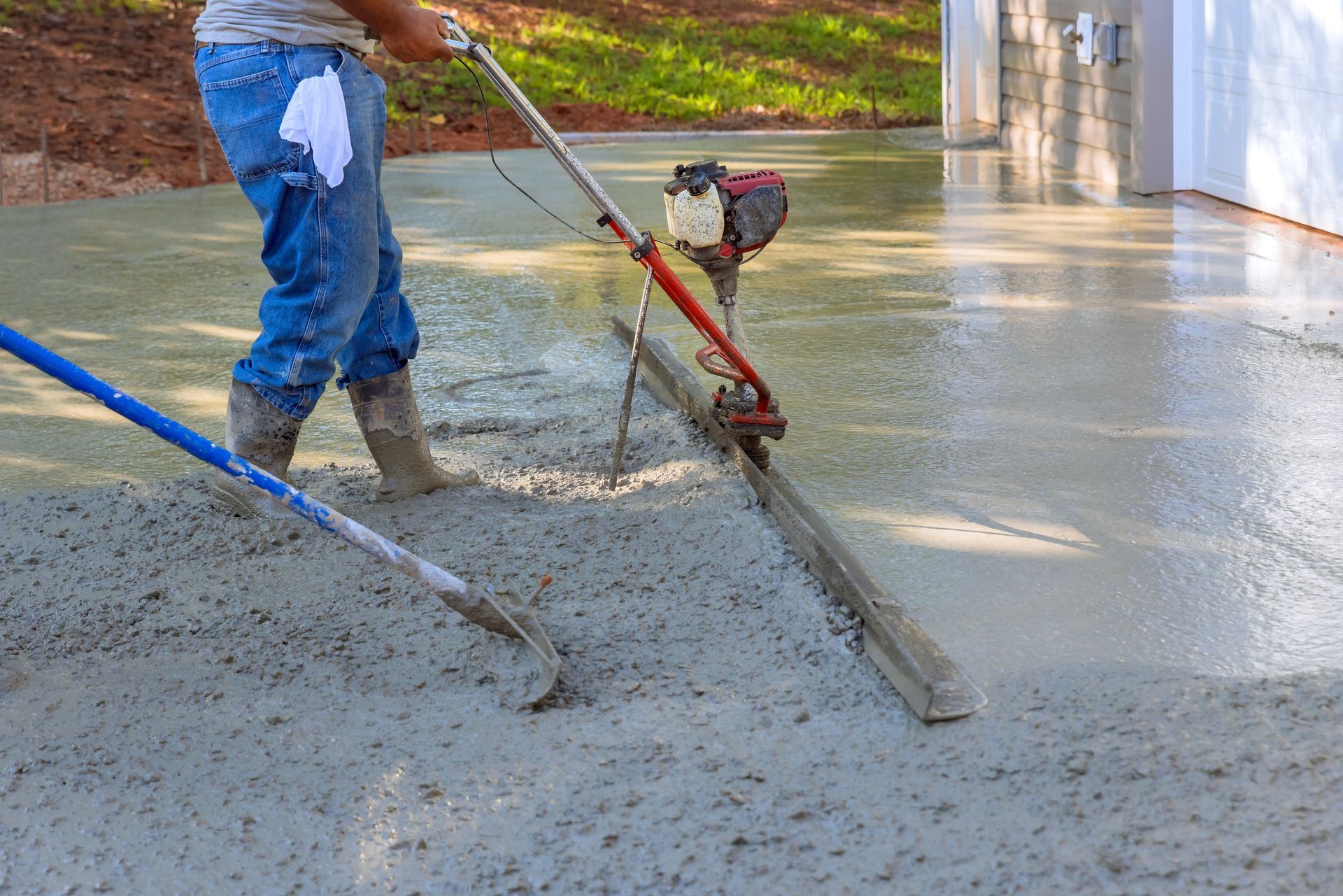
The installation process starts with excavation and base compaction to prevent future settlement, followed by forming and reinforcement placement that distributes load stress across the entire slab. Proper grading directs water away from the foundation and prevents pooling that leads to surface damage during winter months. Finishing techniques range from standard broom finishes that provide traction in wet conditions to decorative options that match architectural features on your property.
Schedule a site evaluation to review base conditions and discuss finish options for your driveway project.
What Proper Installation Delivers Long-Term
Professional driveway installation requires soil compaction testing before base material is placed, since unstable subgrade causes the most common failure pattern seen in residential driveways. Reinforcement—whether wire mesh or rebar—gets positioned at the correct depth within the slab to control crack development as concrete cures and experiences temperature changes. Control joints are cut at specific intervals to direct where cracks form, keeping them straight and manageable rather than random.
Once the concrete cures fully, you'll notice a surface that sheds water consistently without low spots where puddles form, and the driveway remains level across its entire width without edges that sink or tilt. Tire marks wash away easily, and the surface resists oil staining when sealed properly. Winter freeze-thaw cycles won't cause spalling or flaking when the concrete mix is designed with appropriate air entrainment for this climate.
Decorative finishes such as stamping or exposed aggregate add texture and color variation while maintaining the structural integrity of standard concrete. Maintenance requirements remain minimal—periodic cleaning and sealing every few years extends surface life without the ongoing repair costs associated with asphalt. The cured slab typically reaches full strength within 28 days, though light vehicle traffic is possible sooner depending on weather conditions during installation.
Questions Homeowners Ask Before Installation
Driveway projects involve decisions about dimensions, thickness, and finish options that affect both cost and long-term performance.
What thickness does a residential driveway require?
Standard residential driveways are poured at four inches thick for typical passenger vehicles, but properties with heavy trucks or RVs may need six-inch thickness with additional reinforcement to prevent stress cracking under repeated heavy loads.
How does grading affect water drainage around the driveway?
Proper grading creates a minimum two percent slope away from garage doors and foundation walls, directing runoff toward landscaping or drainage systems rather than allowing water to pool against structures where it causes foundation issues or ice formation during Mount Juliet winters.
When should decorative finishes be applied during installation?
Stamping and texturing happen while concrete remains workable, typically within a few hours of pouring, which means finish decisions need to be finalized before installation day since the window for applying decorative treatments is limited by curing time.
What base preparation prevents settlement over time?
Excavation removes topsoil and organic material, then crushed stone base gets compacted in lifts using mechanical equipment to achieve density that won't shift when saturated, since unstable base material is the primary cause of driveway sections that sink or crack prematurely.
How long before the driveway can support vehicle weight?
Light vehicle traffic is generally safe after seven days of curing in moderate temperatures, but full weight capacity and resistance to surface damage develops over 28 days as concrete reaches design strength through continued hydration.
Concrete Results evaluates site conditions including soil type, drainage patterns, and access requirements before recommending specific installation approaches for your property. Request an installation estimate to review options for thickness, reinforcement, and finish that match how you'll use the driveway.