Fixing Damage Before It Spreads
Concrete Driveway Repair in the Mount Juliet area for surfaces showing cracks, settlement, or deterioration that compromise safety and appearance
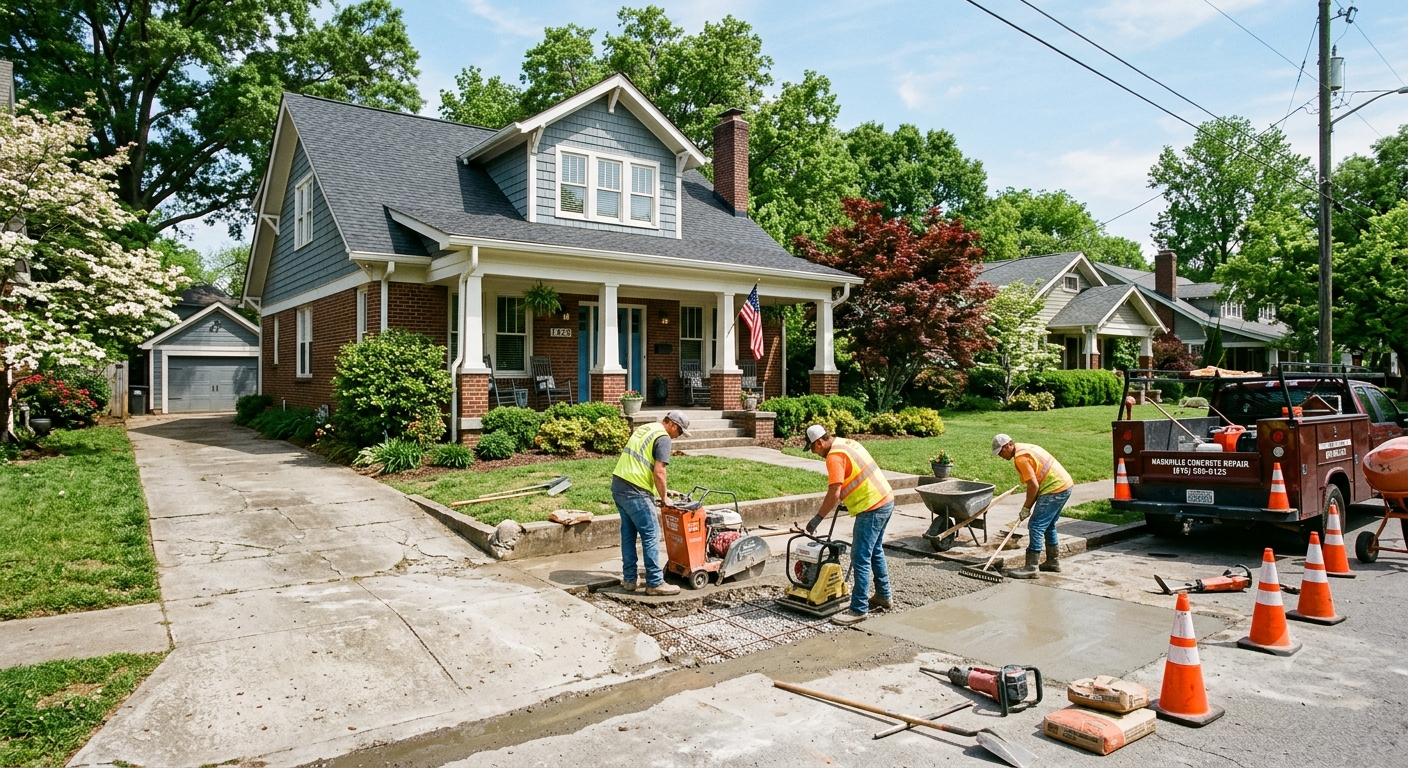
Cracks that start as hairline fissures widen during freeze-thaw cycles when water seeps in, expands as ice, and forces the concrete apart. Concrete Results evaluates driveway damage in Mount Juliet, Brentwood, Franklin, and surrounding areas to determine whether repair methods will restore structural integrity or whether sections require replacement to prevent ongoing deterioration. Settlement happens when base material beneath the slab shifts or washes away, creating voids that cause concrete to drop and crack under vehicle weight.
The repair approach depends on damage extent—small cracks get routed and filled with flexible sealant that accommodates minor movement, while larger structural cracks may require epoxy injection or complete section replacement. Settled areas sometimes can be lifted using slabjacking techniques that pump material beneath the concrete to restore original grade. Surface damage such as spalling or scaling requires removal of deteriorated material before overlay or resurfacing restores a smooth, durable finish.
Schedule a driveway inspection to identify damage causes and review appropriate repair solutions.
How Timely Repairs Extend Driveway Life
Addressing damage early prevents minor issues from becoming replacement projects, since water infiltration through cracks accelerates deterioration by saturating base material and causing additional settlement. Repair methods vary based on whether damage stems from surface wear, structural movement, or base failure underneath the slab. Proper repairs seal out moisture, restore level surfaces, and prevent trip hazards that develop when sections settle unevenly.
After repairs cure, you'll see a driveway surface that no longer collects water in low spots or shows widening cracks that catch snow shovels and create uneven tire contact. Sealed cracks stop allowing water penetration that causes freeze damage during winter months, and leveled sections eliminate the jarring bump when vehicles transition between settled and stable areas. The repaired surface handles daily traffic without ongoing deterioration in treated areas.
Some damage patterns indicate underlying issues that repair alone won't resolve—widespread cracking across multiple sections often means base failure that requires replacement rather than surface treatment. Commercial driveways experiencing heavy truck traffic may need reinforcement upgrades during repair to handle loads the original installation wasn't designed to support. Residential repairs typically restore functionality for years when damage is caught before water infiltration compromises the base material beneath the concrete.
Answers to Frequent Service Questions
Property owners want to understand what repairs accomplish and when replacement becomes the better investment.
What causes concrete driveways to crack in the first place?
Cracks develop from several sources including shrinkage during curing, thermal expansion and contraction through seasonal temperature swings, settlement when base material shifts, and stress from heavy loads that exceed the slab's design capacity or occur before concrete reaches full strength.
How do you determine whether a driveway needs repair or replacement?
Inspection evaluates crack width and pattern, amount of settlement, surface condition, and whether damage is localized or widespread—isolated problems usually respond well to repair, while extensive cracking across multiple sections or significant base failure typically means replacement provides better long-term value.
Why do some driveways develop surface flaking and spalling?
Spalling happens when water saturates concrete and freezes, causing surface layers to pop off in chunks, which occurs more frequently in driveways that weren't air-entrained during installation or that have been exposed to deicing chemicals without protective sealing.
When should driveway repairs be scheduled for best results?
Moderate temperatures between 50 and 80 degrees provide ideal conditions since repair materials cure properly without temperature extremes that affect bonding, which makes spring and fall the preferred seasons for concrete repair work in Mount Juliet where summer heat and winter cold can compromise material performance.
What maintenance extends driveway life after repairs are completed?
Sealing the entire surface every two to three years protects against water infiltration and chemical damage, while keeping expansion joints clean and flexible allows concrete to move slightly without cracking, and addressing new minor cracks promptly prevents them from becoming structural problems.
Concrete Results assesses both visible damage and underlying causes during driveway evaluations, ensuring repair recommendations address why problems developed rather than just treating surface symptoms. Schedule an assessment to review your driveway's condition and discuss repair options that restore safe, functional surfaces.